
 07933445988
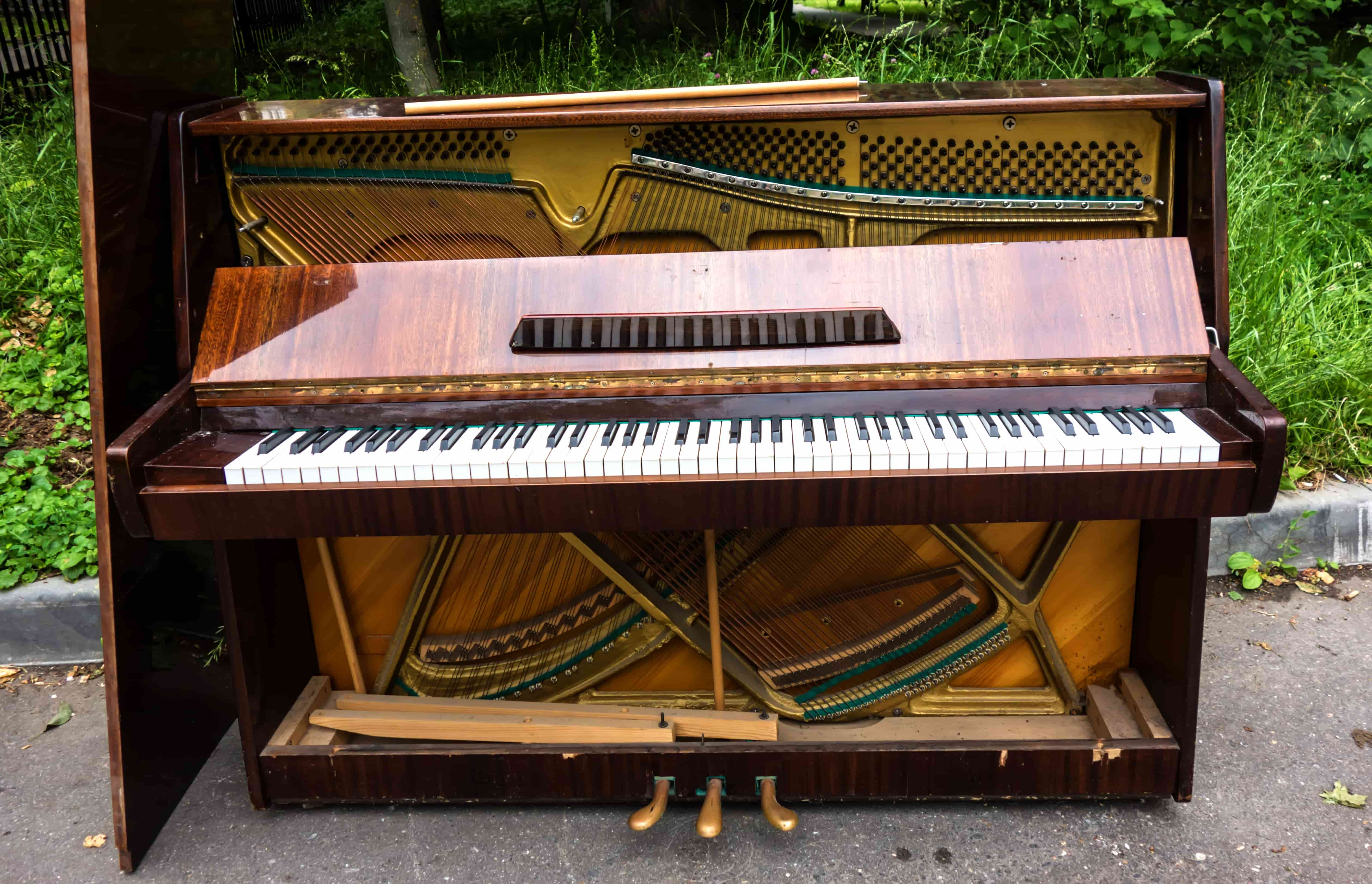
Pianos are extraordinary instruments — until the day you need to move or get rid of one. Whether you've inherited an old upright that nobody plays, you're downsizing your London home, clearing a property, or simply reclaiming space from a beloved but ageing grand piano, the challenge is always the same: how do you actually get rid of something that weighs up to 500 kg and won't fit through a standard doorway?
This guide covers everything you need to know about piano removal in London — from your options and what to expect on the day, to costs, regulations, and how to avoid the costly mistakes most people make.
Why Piano Removal Is Not a DIY Job
Let's start with the most important point. Unlike other bulky items, pianos present a unique combination of challenges that make DIY removal genuinely dangerous and often impractical.
An upright piano typically weighs between 180 kg and 300 kg. A grand piano can weigh anywhere from 250 kg to well over 500 kg. These instruments are also awkwardly shaped, top-heavy, and built with delicate internal mechanisms that can shift and cause structural instability during movement.
Attempting to move a piano without specialist equipment and training risks:
- Serious injury to you or helpers
- Damage to floors, staircases, and door frames in your London property
- Damage to the piano itself (relevant if you're donating or selling)
- Liability issues if the instrument falls on a public street or pavement
The narrow Victorian terraces, basement flats, and tight stairwells common across London boroughs make this even more complex. Professional piano removal services use specialist piano dollies, skid boards, furniture padding, straps, and — in some cases — crane hoisting or window removal for grand pianos on upper floors.
Your Options for Getting Rid of a Piano in London
Before booking a removal service, it's worth understanding all your options. The right choice depends on the piano's condition, your timeline, and whether it still has monetary or sentimental value.
1. Sell the Piano
If your piano is in playable condition, selling it is the most financially rewarding option.
Where to sell a piano in London:
- Facebook Marketplace and Gumtree (for local, no-shipping sales)
- eBay (for buyers willing to arrange their own collection)
- Specialist piano dealers and restorers across London
- Music schools, community centres, and churches
Realistic selling prices for used pianos in London:
| Piano Type | Condition | Estimated Resale Value |
|---|---|---|
| Upright piano (older, unrestored) | Poor to fair | £0–£200 |
| Upright piano (quality brand, tuned) | Good | £200–£800 |
| Baby grand piano | Good | £500–£3,000+ |
| Concert grand (Steinway, Bösendorfer) | Good to excellent | £3,000–£30,000+ |
Be realistic. Older upright pianos — particularly those made before the 1970s — are extremely difficult to sell in London. Many are given away for free with the buyer expected to arrange collection.
2. Donate the Piano
If the piano is in reasonable condition, donating it gives it a second life and avoids disposal costs.
Good places to donate a piano in London:
- Local primary and secondary schools
- Community halls and social clubs
- Churches and places of worship
- Charity organisations and music charities
- Hospices and care homes
Bear in mind that even with a donation, you'll likely need to arrange — and potentially fund — the removal and transportation. The receiving organisation rarely covers moving costs.
3. Give It Away for Free (With Collection)
Listing a piano as "free to a good home" on platforms like Facebook Marketplace or Freecycle is a popular option. However, the reality in London is that the pool of people willing and able to collect a piano — especially from a flat above ground floor — is very small.
Many "free piano" listings remain uncollected for months. If your timeline is tight, this option can become frustrating quickly.
4. Professional Piano Removal and Disposal
For pianos that are broken, unplayable, severely out of tune, structurally compromised, or simply unwanted regardless of condition, professional piano removal and disposal is the most practical, efficient, and stress-free solution.
A professional junk removal company in London will:
- Assess the piano's location and access points
- Bring the right equipment and trained team
- Dismantle the piano if necessary (some uprights are broken down on-site)
- Remove it safely from your property
- Transport it to an authorised facility
- Dispose of it responsibly, separating materials for recycling where possible
Book professional piano removal in London →
How Much Does Piano Removal Cost in London?
Piano removal costs in London vary based on several factors. Here's a transparent breakdown of what influences the price.
Key Cost Factors
| Factor | Impact on Cost |
|---|---|
| Piano type (upright vs. grand) | Grand pianos cost significantly more to remove |
| Location within the property | Ground floor vs. upper floor vs. basement |
| Access difficulty | Narrow hallways, tight staircases, no lift |
| Distance to the vehicle | Long carry distances increase labour time |
| Crane or hoist requirement | Significant additional cost |
| Urgency of removal | Same-day or next-day may incur a premium |
| London borough | Central London locations may carry a surcharge |
Typical Piano Removal Prices in London
| Service | Estimated Price Range |
|---|---|
| Upright piano removal (ground floor, easy access) | £120–£200 |
| Upright piano removal (upper floor or basement) | £180–£300 |
| Grand piano removal (ground floor) | £250–£450 |
| Grand piano removal (upper floor, complex access) | £400–£700+ |
| Emergency or same-day piano removal | Add £50–£100 |
Note: Always request a quote specific to your property and piano. Prices above are indicative ranges based on typical London market rates. Reputable companies will assess your situation before quoting.
What Happens to a Piano After Removal?
A common concern — particularly among environmentally conscious Londoners — is where the piano ends up. Here's what typically happens.
Pianos are composite items containing:
- Wood (frame, keys, cabinet) — recyclable
- Cast iron (in grand pianos especially) — valuable scrap metal
- Steel strings — recyclable metal
- Felt and leather — often landfilled, though some is repurposed
- Ivory or plastic keys — separated and handled appropriately (pre-1947 ivory is subject to legal restrictions)
A responsible piano removal company in London will ensure materials are separated for recycling wherever possible, with the remainder going to a licensed waste transfer facility. Always ask your provider whether they hold a valid Waste Carrier Licence from the Environment Agency — this is a legal requirement for any company removing waste in the UK.
Step-by-Step: What to Expect on Piano Removal Day
Knowing what to expect helps you prepare properly and ensures the day runs smoothly.
Before the Team Arrives
- Clear a path from the piano to the exit
- Protect floors along the route (removal teams should bring their own protection, but it helps to alert them to delicate flooring)
- Ensure parking is available as close to the property as possible
- Note any access restrictions (low ceilings, tight bends, locked gates)
- Remove any items stored on or inside the piano
- Have your booking confirmation and contact number ready
On Arrival
- The team will assess the piano and access route
- They'll lay protective floor covering and padding
- The piano is secured and moved using specialist equipment
- Staircases and tricky sections are navigated carefully using controlled techniques
- The piano is loaded onto the vehicle
- The team will tidy the area and ensure no damage has been caused
After Removal
- You'll receive confirmation of disposal (and a waste transfer note if requested)
- Payment is typically taken on the day or settled per your booking terms
- The space is yours — ready to redecorate, repurpose, or simply breathe again
Piano Removal in London: Special Scenarios
Removing a Piano from a Basement Flat
Basement piano removals are among the most challenging in London. The combination of narrow external steps, low ceilings, and tight turns can make standard removal impossible. In some cases, professionals will dismantle the piano in place — separating the cast iron plate, soundboard, and cabinet — and remove it in sections.
Removing a Grand Piano from an Upper Floor
Grand pianos on upper floors sometimes cannot be removed via the staircase at all. In these cases, a window removal — where the piano is lowered via crane or hoist through a window opening — may be necessary. This requires advance planning, council permissions in some cases, and specialist rigging teams.
Estate Clearances and Piano Removal
If you're clearing a property after a bereavement or managing an estate in London, piano removal is often part of a wider house clearance service. A reputable provider can handle the entire clearance — including the piano — in a single visit, saving significant time and cost.
Piano Removal for Landlords and Property Managers
Landlords frequently face abandoned pianos in rental properties. Professional removal ensures the property is cleared quickly, legally, and without damage to the building — essential when preparing a property for re-letting.
Common Mistakes to Avoid When Getting Rid of a Piano in London
Even well-intentioned piano disposals can go wrong. Here are the most frequent errors and how to avoid them.
1. Hiring unqualified "man and van" services Standard man-and-van operators are not equipped or insured for piano removal. The risk of injury, property damage, and piano damage is significantly higher.
2. Assuming the piano has resale value Most pre-1970s upright pianos in London have little to no resale value. Spending weeks trying to sell an unsellable piano wastes time and delays your plans.
3. Not checking waste carrier credentials Unlicensed waste carriers ("fly-tippers for hire") are unfortunately common. Always verify that your removal company holds an active Environment Agency Waste Carrier Licence. Fly-tipping carries fines of up to £50,000 in the UK, and responsibility can fall on the property owner.
4. Forgetting to measure access points A professional team will measure before booking. If you're assessing options yourself, measure doorway widths, staircase widths, and ceiling heights along the removal route before anything is agreed.
5. Leaving it too late If you're moving home or have a landlord's deadline, don't leave piano removal to the last minute. Complex removals — particularly grand pianos requiring craning — need advance booking and preparation.
Key Takeaways
- Piano removal in London is a specialist job requiring trained teams, proper equipment, and experience with London's varied property types.
- Selling or donating is worth exploring if the piano is in good condition, but most older uprights have limited market value.
- Professional removal and disposal is often the most practical solution, especially for broken, old, or inaccessible instruments.
- Costs range from approximately £120 to £700+ depending on piano type, location, and access difficulty.
- Always check your provider's Waste Carrier Licence to ensure legal, responsible disposal.
- Estate clearances, landlord clearances, and urgent removals can all be handled by a professional junk removal company in London.
Frequently Asked Questions: Piano Removal in London
How much does it cost to remove a piano in London?
Upright piano removal in London typically costs between £120 and £300, depending on access and floor level. Grand piano removal ranges from £250 to £700 or more for complex extractions involving upper floors or crane operations.
Can I put a piano in a skip?
No. Most skip hire companies in London will not accept pianos due to their size, weight, and composite materials. Professional piano removal is the correct and legal route.
How do I get rid of an upright piano in London for free?
You can list a working upright piano as free to collect on Facebook Marketplace, Gumtree, or Freecycle. However, free collections can take considerable time to arrange, and many older pianos struggle to attract collectors willing to manage the logistics.
Will a piano removal company dismantle the piano?
Yes. Reputable removal companies can dismantle upright pianos on-site when full extraction isn't possible. Grand pianos can also be partially disassembled (legs and lyre removed) to reduce size for removal.
Is piano removal covered by home insurance?
Typically, no — standard home insurance does not cover professional removal services. However, a reputable removal company should carry their own public liability insurance. Always ask for confirmation before booking.
How long does piano removal take?
A straightforward upright piano removal from a London ground-floor property typically takes 30–90 minutes. Complex removals from upper floors or basements can take 2–4 hours or more.
Do piano removal companies recycle pianos?
Responsible London piano removal companies separate recyclable materials — including metal strings, cast iron frames, and timber — and send remaining waste to licensed facilities. Ask your provider to confirm their recycling and disposal process.
What should I do if I've inherited a piano I don't want?
If the piano is in good condition, consider donating it to a local school or community organisation. If it's old, unplayable, or access is difficult, professional piano removal and disposal is the most practical solution. A house clearance service can also handle this as part of a wider estate clearance.
Ready to Remove Your Piano in London?
Whether you're dealing with an old upright gathering dust in a Victorian terrace in Hackney, a baby grand on the third floor of a Kensington apartment, or a broken piano in a basement flat in Brixton — the right team makes all the difference.
Get a fast, free piano removal quote in London →
Our experienced team serves all London boroughs, operates fully licensed and insured, and handles everything from single piano collections to full property clearances. Contact us today and reclaim your space.
Related services: House Clearance London | Furniture Removal London | Bulky Waste Collection London